
At Bright Future School, assessment are designed to support learning, progress, and confidence. We use a balanced approach that combines continuous internal assessments, age-appropriate formal exams, and external benchmark assessments.
Assessment is viewed as a marathon, not a sprint. Early assessments reflect students’ starting points rather than final outcomes. Their purpose is to identify strengths, highlight areas for development, and guide teachers in planning the right support to ensure steady progress across the academic year.
Our Combined Assessment Approach
We use a combination of continuous assessments and formal examinations to capture both day-to-day learning and academic achievement over time.
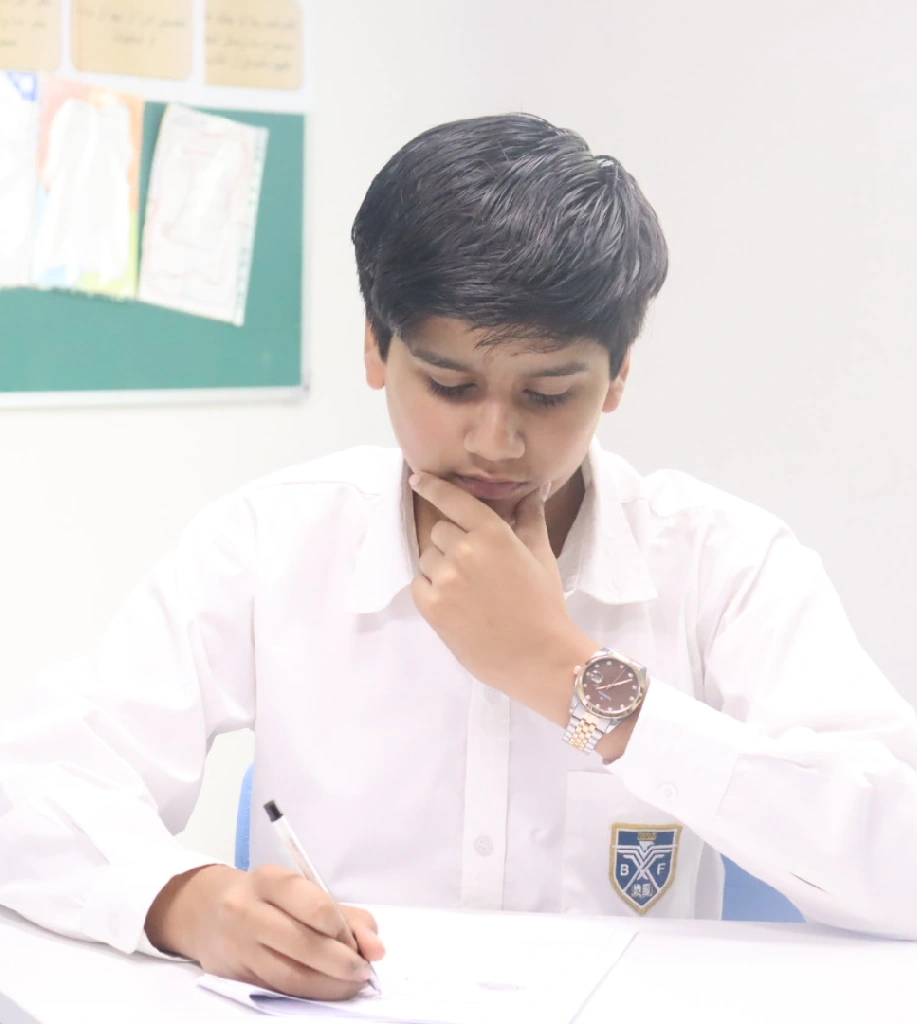
Internal assessments are an essential part of teaching and learning and are used regularly across all year groups:
Types of Assessments:
These assessments allow teachers to:
Results are never used in isolation. Teachers carry out detailed analysis to inform teaching, support improvement, and ensure consistency and quality across the school.
Formal exams are introduced from Year 1 onwards, in line with students’ age and stage of development.
As students progress through the school, exams gradually increase in structure and challenge.
These exams:
Exam schedules are carefully planned and balanced with revision sessions, breaks, and rest periods.
The aim is to prepare students gradually and positively, not to overwhelm them.
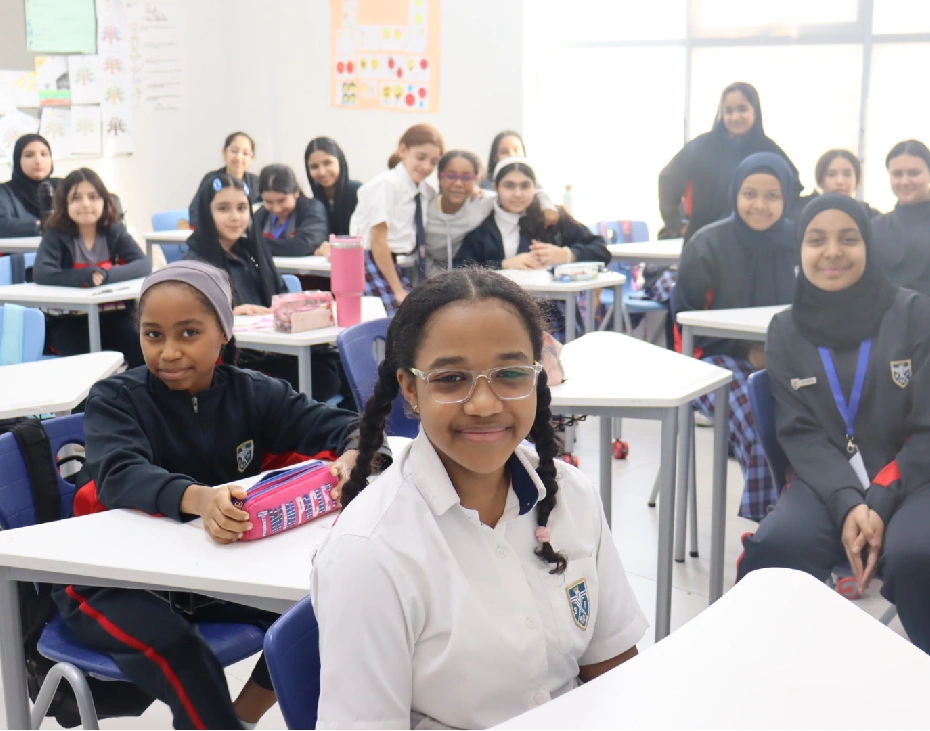

In addition to school-based assessments, students complete recognised external assessments at key points in their learning journey. These include:
All external assessments are conducted under standardised conditions to ensure fairness and consistency.
External assessments play a valuable role in a student’s educational journey. They:
We recognise that students learn in different ways. Our combined approach ensures that no single exam defines a child’s ability. By using a range of assessment methods, we gain a complete picture of each student’s progress, achievements, and potential. Clear communication with parents is a priority, and assessment outcomes are shared regularly through reports, meetings, and feedback, ensuring strong partnership between home and school.

| M | T | W | T | F | S | S |
|---|---|---|---|---|---|---|
| 1 | 2 | 3 | 4 | |||
| 5 | 6 | 7 | 8 | 9 | 10 | 11 |
| 12 | 13 | 14 | 15 | 16 | 17 | 18 |
| 19 | 20 | 21 | 22 | 23 | 24 | 25 |
| 26 | 27 | 28 | 29 | 30 | 31 | |